-
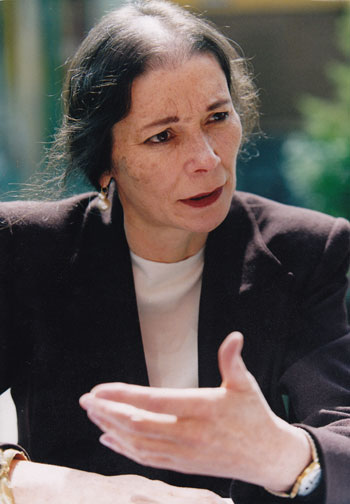
Rosa Keck u0026 Melanie Spitta (© Carmen Spitta)
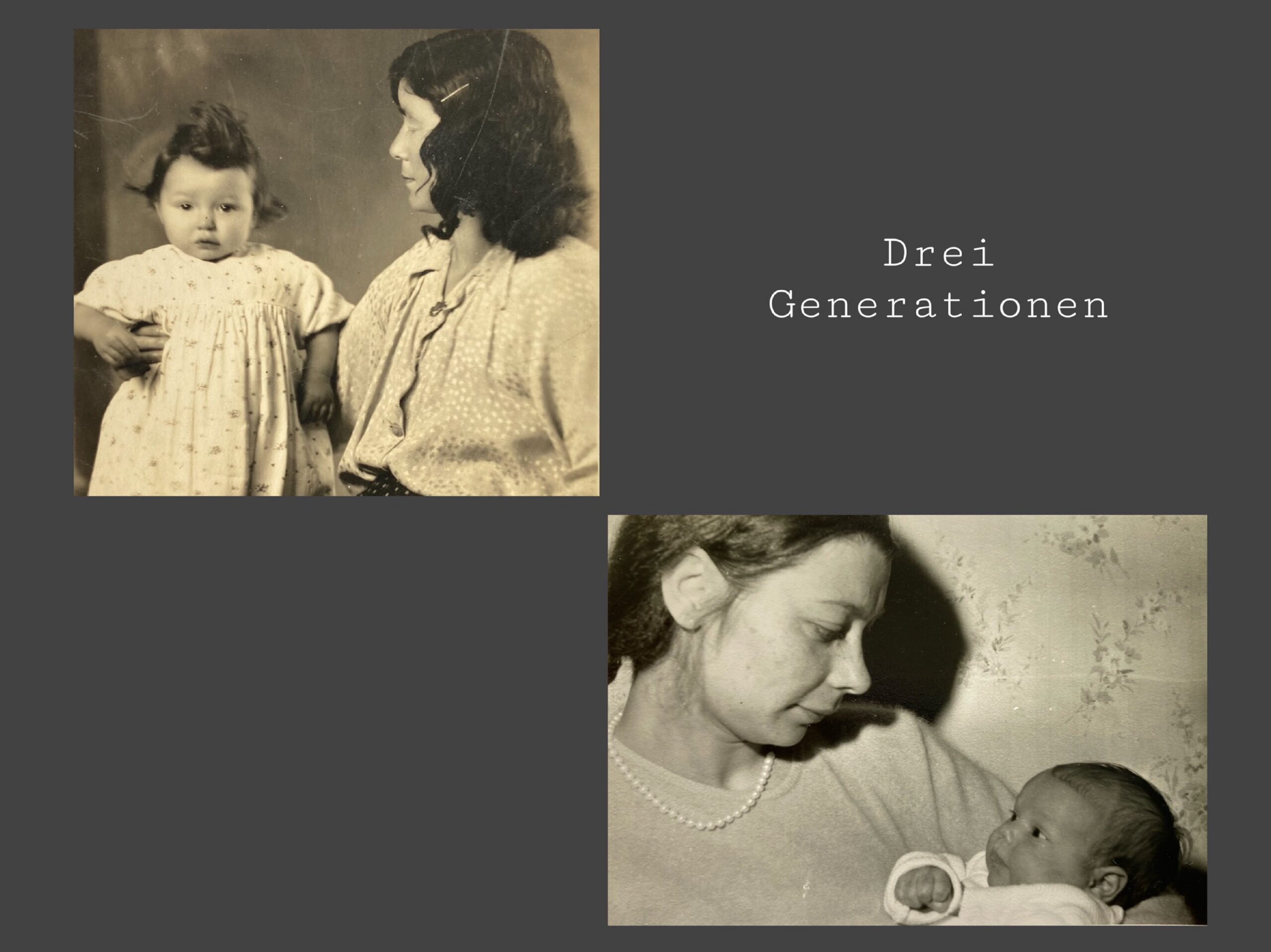
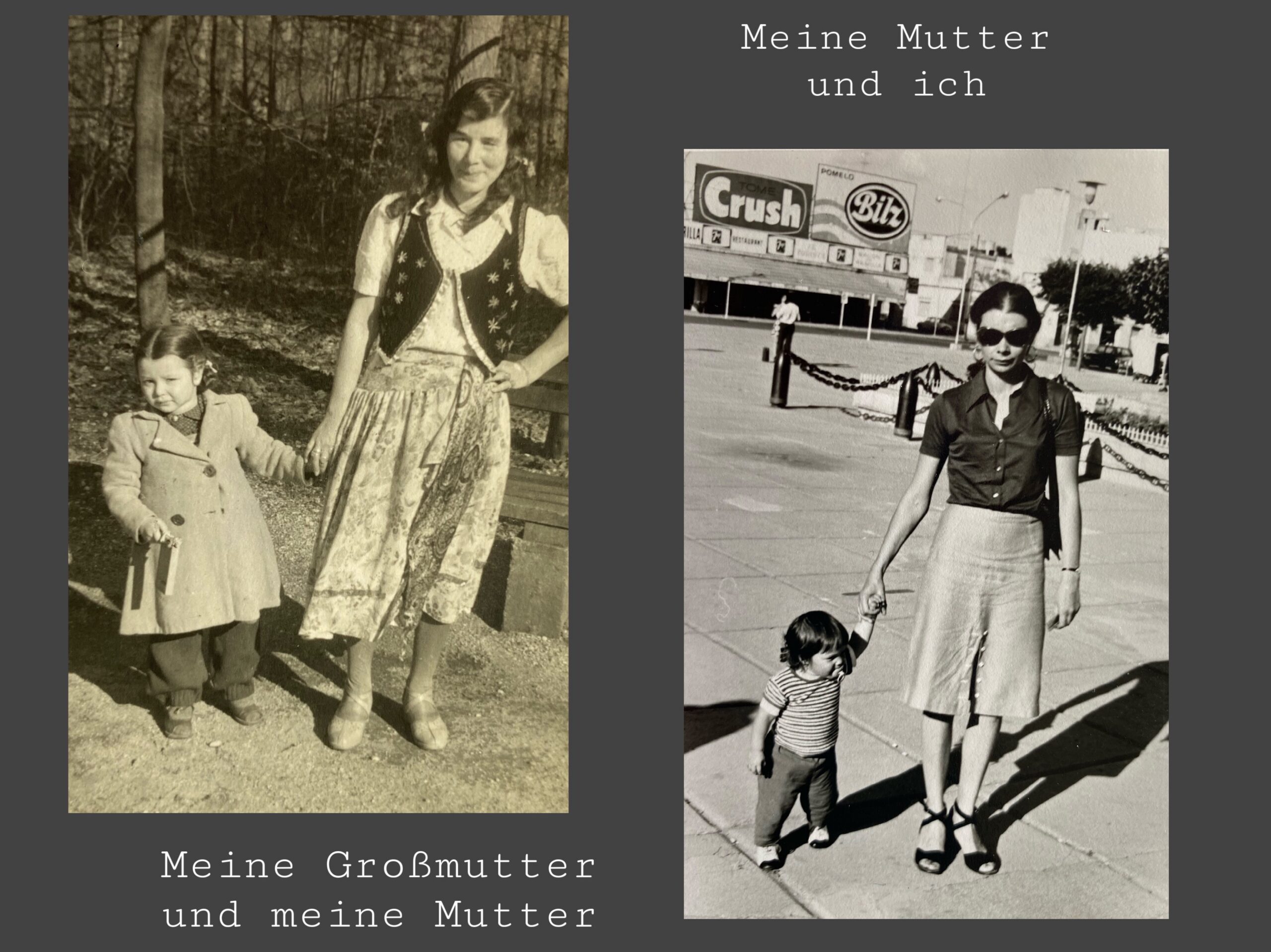
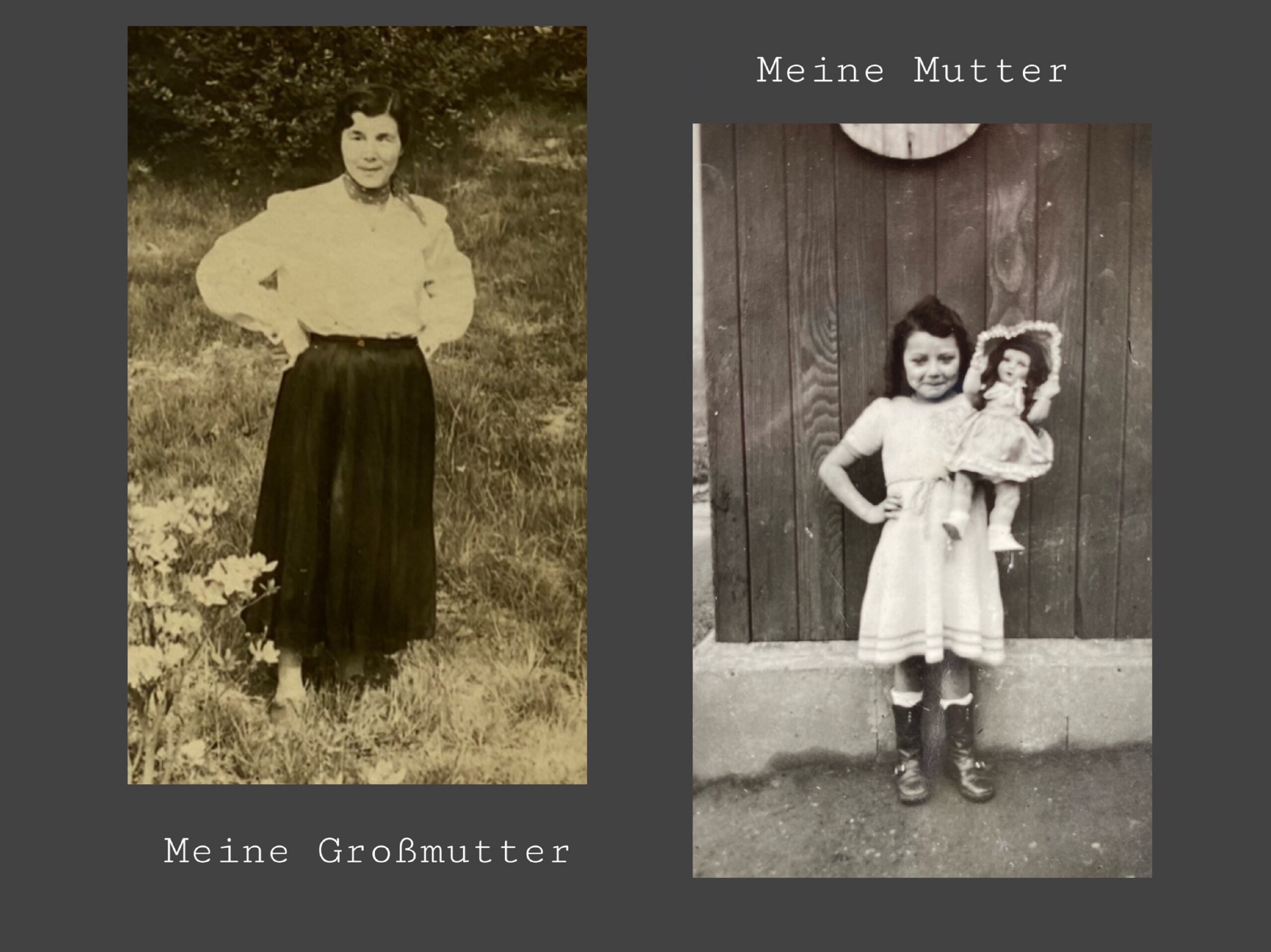
My grandmother Rosa Keck
She and her family were deported from Belgium to Auschwitz. From Auschwitz she came to Ravensbrück and Bergen-Belsen. She was then liberated by the Americans in Bergen-Belsen. By this time she had lost her mother, her two sons, the one son my grandmother gave birth to in Auschwitz, her siblings for the most part, her nieces, nephews, and cousins all in Auschwitz. It is a miracle that my grandmother has not been sterilized. She got away, otherwise my mother would not have been born in 1946.
After 1945
My grandmother went back from Soltau, where she was treated in the hospital for her tuberculosis, which she had taken from the camp, and for ear diphtheria, to Hasselt, where the whole family lived before being deported. She then lived there in the house of Aunt Melanie and Uncle Arthur, that’s what I call them – they are no longer alive either – Belgians who took in my family. My mother was also born there, in Hasselt, and my grandmother, because the Nazis made her a wreck, was too weak to give my mother breast milk. Aunt Melanie then took over. She had also born a daughter Christian at the time, whom I also know, and then she gave my mom her milk. This story my mom always told me, I found her very moving and touching. Until the age of three or four, my mom lived in Hasselt with my grandmother, with my mom (mom means grandmother in Romanes) Rosa, happy and satisfied. Then finally my great uncle, my foster grandfather, my Papo (in Romansh grandfather) Walter Keck, who was my grandmother’s brother, came, because he found out where she was and then took her to Düren. My great-uncle Walter Keck lost his entire family in Auschwitz.
My mom Melanie Spitta
Illness in childhood and adolescence
My mother was born in Hasselt, Belgium, on June 2, 1946. She became infected with tuberculosis in her mother’s womb, and my mother’s life was a thread. Seriously ill, of course, she was taken from hospital to hospital.
They had nice years together until 1958 when my grandmother died then. My mom never managed to cope with that either.
Youth in sanatoriums because of the lung disease
She was then sent to many sanatoriums, also in Norderney, because the North Sea coast or the coast, sea air was supposed to be good for the lungs, but she was badgered and also mistreated there. Not only her, but all children in care.the home. That is proven now – she has always repeated how terrible this time was. How these nurses, she always called them supervisors, dealt with the children in an agonizing manner. How they were kicked and mistreated. She has repeatedly said this, how she suffered from it and that was a very, very difficult time, how she had to assert herself against these sisters and also against the Germans.
Violence at school and at home
At school in Düren, she was also bullied from an early age: “Zigzag Gypsy Pack”. She used to tell us at the dinner table how she was tormented and how she stood up for herself and always resisted these machinations and urges. It was not easy, it was not at all easy for them even in this macho society. Not even as a child or teenager. She also left home very early, seriously ill as she was, before she had this very serious operation at the age of 17, 18, and it was not easy, also with her foster father. She was not allowed to play with the other children or, if she did not come home on time from school, she was also able to play with one. It was not easy, it was absolutely not easy for her and she missed her mother very much.
Nightmares
She also dreamed a lot. She has dreamed a lot about her mother and all the suffering. Mom had always told me how terrible it was. Also, the nights when she lay awake, my grandmother, and she told how torturously the head guards had treated her in Bergen-Belsen. My mom (grandmother in Romanes) said that was the worst time in Bergen-Belsen. There she would have been destroyed, even though she was already a wreck, having lost her children, her mother and the rest of her family, she was struggling to survive.
Melanie Spittas film and civil rights work
Melanie Spitta, as a free-decisive German Sintizza, was involved in the civil rights movement early on. She took part in the first Roma World Congress in London, where for the first time the different groups of her people, our people, had come together. She was a collaborator at the United State Holocaust Memorial Museum in Washington for the Department of Persecution of Gypsies and was a member of the International Romani World Union and Romani Pen. In December 1999, my mom received the Otto Pankok Prize, the first Roma Culture Prize donated by Günter Grass.
Between 1980 and 1987, my mother, together with Katrin Seybold, produced four documentaries dealing with the National Socialist genocide of our people and with racism against Sinti and Romani people. She wanted to show everyone what was done to our people in National Socialism and how racism continued to live on in the period after it. The films were made between 1980 and 1987.
Films by Melanie Spitta and Katrin Seybold
Don’t scold us gypsies (43 min, 1980)
We are Sinti children and not gypsies (21 min, 1981)
It went day and night, dear child: Gypsy (Sinti) in Auschwitz (75 min, 1982)
The wrong word: Compensation for Gypsies (Sinti) in Germany? (ZDF, 83 min, 1987) Director: Katrin Seybold, script Melanie Spitta, Actor: Thomas Münz; Melanie Spitta
On the documentary film “The Wrong Word” my mother worked for 5 years, she visited several archives and learned many details about the deportation and murder of our family members from the Nazi documents. Many of the documents she found were not known to the public. At that time, the genocide was not as recognized as it is today, the victims who had survived were denied compensation. The perpetrators remained unpunished and were able to build up their careers while the victims lived in illness, poverty and under further discrimination. My mother wanted to make all of this public. She wanted to show the memories of the people who survived, to prove the genocide on the basis of the documents and also to discuss the continuities of racism in the period after.
In 1996, she also took part in the first nationwide Romnja Congress in Cologne, where she spoke about her remembrance work and networked with other important civil rights activists such as Ceija Stojka or committed artists like Esma Redzepova. This congress is documented in the Jek Chib of 1996.
In 2005, my mother died as a result of the lung disease she had already caught in the womb.